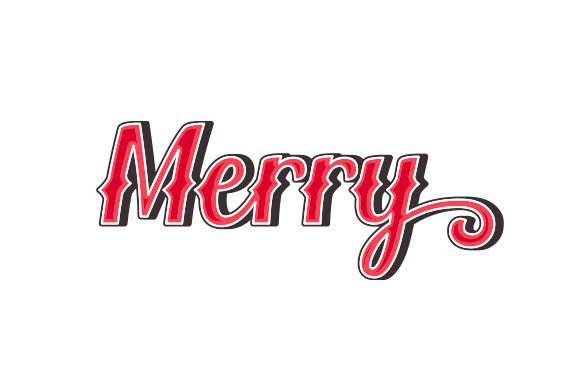
A Designer’s Take on the Country Merry Christmas Embroidery File
When you download an embroidery design, you’re not just getting a file; you’re investing in a potential finished product. Your time, thread, and fabric are on the line, and your client or customer’s satisfaction hinges on that final stitch. So, let’s look at Country Merry not as a digital product listing, but as a real-world embroidery project candidate.
The First Impression: Where This Design Belongs
Opening Country Merry, the immediate vibe is warm, rustic, and decidedly handmade. It isn’t a sleek, modern graphic; it’s a design that feels like it belongs on a kitchen towel in a cozy farmhouse or on the apron of someone baking holiday cookies. The layout suggests a central, illustrative motif—likely a classic holiday scene or wording—with a personality that leans toward tradition rather than trendiness. This isn’t a design you’d use for a minimalist, urban-lifestyle brand. Its natural home is in projects where heartfelt and homemade are the selling points.
For an embroidery designer or crafter, this means Country Merry shines on items like linen pillow covers, canvas tote bags, cotton aprons, and flannel baby blankets. Imagine a custom-embroidered tea towel as a holiday gift for a neighbor, or a simple sweatshirt for a festive family photo. The design’s mood creates an instant sense of nostalgia and warmth, which is exactly what many customers seek during the Christmas season.
Performance in Real Projects: A Practical Walkthrough
Let’s say you’re an Etsy seller preparing a batch of embroidered tote bags for a craft fair. You load Country Merry. The included formats—SVG, Transparent PNG, EPS, DXF—mean you have flexibility for different machines and software, which is a practical plus. But the real test is on the fabric.
On a sturdy, natural-colored canvas tote, this design will likely look excellent. The stitch density and detail level will be key. If the design has intricate elements or small text, you’ll need to consider your hoop size and stabilizer choice carefully to maintain clarity. On a baby’s cotton bodysuit or a delicate linen napkin, you’d want to test on scrap first to ensure the stitches don’t overwhelm the lighter fabric. For a custom apparel project like a sweatshirt, the design’s visual weight needs to balance with the garment’s thickness; a too-dense fill stitch on a stretchy knit could lead to puckering.
Where This Design Should Be Used Carefully
Every design has its ideal applications and its tricky ones. For Country Merry, I’d proceed cautiously on a few fronts. If the design has very fine lines or tiny decorative accents, small hoop sizes might not capture them well. Embroidering it on a dark fabric background requires thoughtful thread color contrast—you might need to preview it in a black-and-white mockup to check visibility.
Textured fabrics like some blankets, or curved surfaces like caps, can distort the design’s shape. The rustic charm of Country Merry could be lost if the satin stitch borders or fill stitches become uneven on a difficult surface. Also, for products destined for frequent washing—like kitchen towels or baby clothes—you need to ensure the stitch structure is robust enough to hold up. This comes down to testing and using proper techniques.
The Business of Stitching: Value, Trust, and Presentation
From a commercial standpoint, using a design like Country Merry affects more than just the stitch. It impacts your product’s perceived value. A well-executed embroidery of this design on a handmade product speaks of quality and care. It builds customer trust because the result looks professional and intentional, not haphazard.
For a creative entrepreneur selling holiday embroidery items, this design can become a signature piece. Its consistent use across a line of pillow covers, aprons, and totes creates brand consistency. As a personalized gift, an item featuring this design feels special and considerate, boosting its giftability. In your Etsy listings or printable mockups, the clear, charming detail of a stitched Country Merry can drive buyer engagement more effectively than a flat graphic.
Designer Notes for a Smooth Stitch
Before you commit thread to your final project, here’s my practical checklist. Always test the design on scrap fabric first, using the same material and stabilizer as your main project. This reveals any issues with density or small details. Check the thread palette against your actual fabric—a cream thread on a white towel might lack impact, while a red on a dark green sweatshirt could pop beautifully.
Review the design’s scale in your software. Confirm the physical hoop size you’ll need for a clean result. Inspect any potentially problematic areas like detailed corners or dense stitch areas that might require adjusting speed or tension. Crucially, before selling any finished product or using the file as a commercial embroidery asset, verify the licensing terms for Country Merry. The product description doesn’t specify license details, so it’s your responsibility to confirm whether it’s suitable for personal and commercial projects.
The Final Verdict: A Design with Purpose
Country Merry isn’t a generic, all-purpose Christmas graphic. It’s a design with a specific personality and, consequently, a specific ideal application. For the embroidery designer or small business owner looking to create products with a warm, traditional, handmade appeal, it’s a strong candidate. It fits perfectly into the Crafts category, not as a digital asset alone, but as the heart of a tangible, stitched item.
Your success with it hinges on matching the design’s character to the right product and executing the embroidery with practical care. When you do that, Country Merry transforms from a file in your downloads folder into a beautiful, value-adding feature on a real-world item that someone will cherish, wear, use, or gift. That’s the ultimate goal of any embroidery project, and this design, used thoughtfully, can certainly help you achieve it.