A Designer's Take on the Spooky Merry Jolly Embroidery
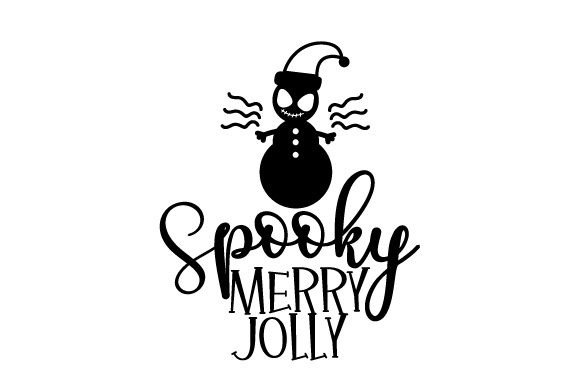
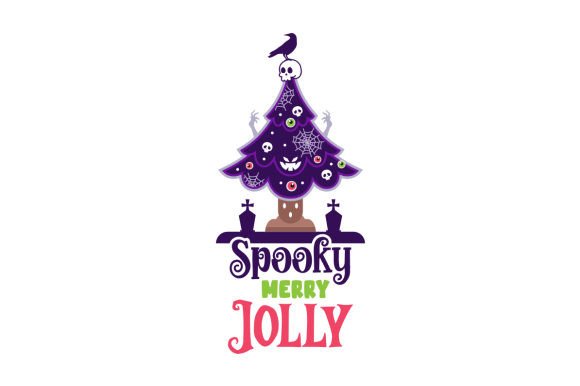
Let’s talk about this Dark Christmas - Spooky Merry Jolly design. Right off the screen, it’s clear this isn’t your grandmother’s holiday embroidery. The name tells you everything: it’s festive, but with a wink. It’s a design for those who love the season but maybe prefer a touch of gothic charm or quirky humor over pure glittering cheer. That mood is its biggest asset—it creates an immediate connection with a specific, and often underserved, customer.
First Impression: Where This Design Naturally Belongs
When I evaluate a design for real use, I immediately picture it stitched. The visual personality here is playful yet polished. The layout likely balances the spooky and merry elements well, avoiding a cluttered feel, which is crucial for a clean embroidered finish. This isn’t just a novelty graphic; it’s a statement piece. I instantly think of a custom embroidered sweatshirt for someone who collects horror movies but still puts up a tree, or a tote bag for a boutique that sells alternative crafts. It would be a perfect personalized gift for a friend with a specific sense of humor, turning a generic holiday present into something truly memorable.
The Real-Life Project Scenario: A Boutique Holiday Apron
Imagine you’re an Etsy seller preparing for a craft fair. You want a line of holiday kitchen items that stand out. A Dark Christmas - Spooky Merry Jolly design embroidered on the pocket of a dark-colored apron immediately creates a product with a story. It’s functional, festive, but with an edge. Customers browsing your table would spot it and know it’s for them. That’s the power of a design with a clear mood—it does half the marketing for you by visually defining its audience.
Performance Across Different Embroidery Projects
In practical application, this design’s success hinges on its detail level. Given the theme, it probably has some intricate elements—maybe ornate lettering or small illustrative accents. For sturdy items like tote bags, pillow covers, or tea towels, that detail will stitch out beautifully, adding value. On custom apparel like adult sweatshirts or hoodies, it becomes a focal point, elevating a basic garment.
However, I’d proceed more carefully with projects on very small hoop sizes or on textured fabrics like some blankets. Tiny, dense details can get lost or become puckered. Similarly, on thin or stretchy fabric like a t-shirt, a dense design area might require excellent stabilizer choice and careful hooping to prevent distortion. Embroidering it on a curved surface like a cap would require a test run first to see how those details adapt to the shape.
The provided formats—SVG, PNG, EPS, DXF—are excellent for versatility. They allow you to scale the design for different projects, from a large embroidered patch to a smaller accent on baby clothes (think a quirky holiday bib for a cool mom), and also to create printable mockups for your digital product listings or branding assets.
Where Caution is Needed: Preserving Clarity and Quality
For a design like this, one of the most critical tests is on dark fabric backgrounds. The “dark” theme suggests it might be intended for darker materials, but you must check the thread color contrast. If the design uses a lot of deep tones itself, stitching it on black might lose impact. Always test on scrap fabric first, ideally in both light and dark versions, to judge its visual strength.
Pay close attention to any tiny lettering or very fine lines. In machine embroidery, extremely small text can blur into a solid satin stitch bar if not digitized well. Before committing to a client’s commercial embroidery project or a batch of small shop merchandise, inspect these areas in your test stitch-out. Also, consider the overall stitch density. A very dense fill stitch area on a garment meant for frequent washing, like a kitchen towel, could feel stiff or wear differently over time.
How This Design Elevates Your Work and Your Business
Using a design with such a distinct character does more than decorate a product; it affects perception. For a craft business, it demonstrates a curated selection and an understanding of niche markets, building customer trust. The finished product feels more thoughtful, which boosts its giftability and perceived value. For an apparel decorator, it offers a unique option that clients won’t find everywhere, enhancing your service’s professionalism.
From a handmade presentation standpoint, a clean, well-executed stitch-out of this design on, say, a pillow cover, tells the buyer that quality and theme were equally considered. It creates a stronger brand consistency if your shop leans toward the alternative or whimsical. In a craft fair setting, it sparks conversation and buyer engagement more readily than a generic snowflake.
Practical Notes Before You Hoop the Fabric
My final advice, as someone who’s learned from both successes and mishaps:
- Always test the design on scrap fabric that matches your final project’s weight and texture.
- Review the design file at the size you intend to use. Zoom in on the embroidery file to inspect corners and small details.
- Plan your thread colors deliberately. This design might pop with classic holiday reds and greens, or it might call for muted, darker palettes.
- Confirm the hoop size needed for your intended application. The design description doesn’t list specifics, so you must check this in your software.
- Use a proper stabilizer for your chosen fabric. This is non-negotiable for maintaining clarity.
- If you’re creating finished items for sale, confirm licensing before selling. Understand whether the digital embroidery file license covers commercial use of the physical products you make.
- Consider creating a black and white mockup to see the pure shape and layout, stripping away color assumptions.
In essence, the Dark Christmas - Spooky Merry Jolly embroidery design is a tool for creating connection. It’s not just a pattern; it’s a vibe. When stitched well on the right product, it speaks directly to a person’s taste, making your embroidery project—whether a holiday gift for a friend or a line for your creative entrepreneurship—feel personal, intentional, and clever. That’s the kind of finished product that doesn’t just sell; it resonates.