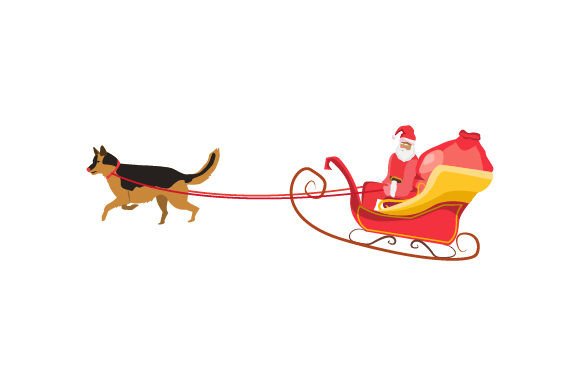
Santa Claus in Sled: A German Shepherd's Holiday Ride
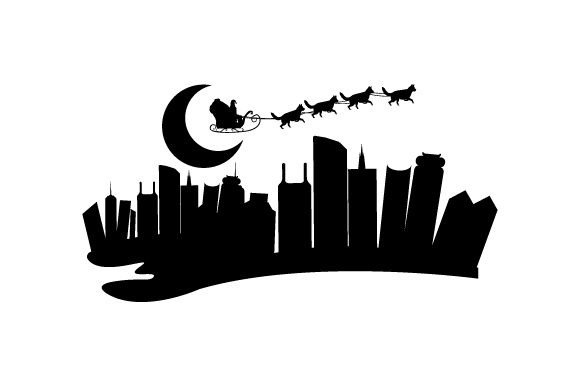
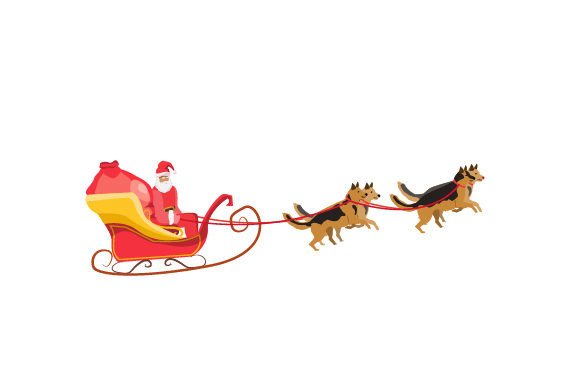
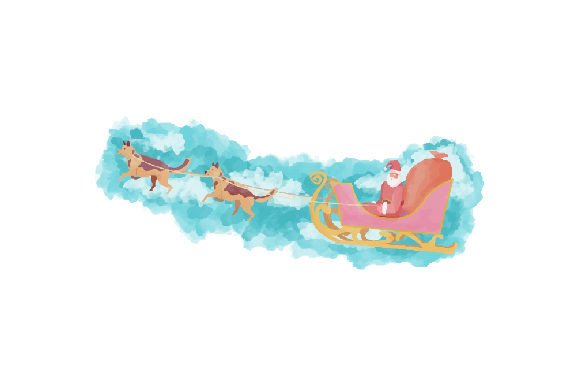
Whenever a new embroidery design lands in my library, the first question I ask isn't about formats or stitch counts. It’s this: what kind of story does it want to tell on fabric? With the Santa Claus in Sled, German Shepherd design, that story is immediately charming. It’s not just a generic holiday icon; it’s a specific, heartwarming scene. The silhouette of Santa in his sled, now paired with a loyal German Shepherd instead of reindeer, creates a modern, playful twist on a classic. The mood is festive but personal, leaning towards dog lovers, military families, or anyone with a special affinity for the breed. This isn't mass-market decor; it feels tailored.
The First Project I’d Hoop This Design For
I picture this design stitched onto a heavyweight cotton canvas tote bag. It's a practical, giftable item—something an Etsy seller could offer as a “dog mom’s holiday bag” or a crafter could make for a friend. The composition is nicely balanced; Santa and the sled occupy the upper space, with the German Shepherd pulling with a determined, joyful posture. The level of detail suggests it would translate well into embroidery without becoming overly dense. The lines look clean, meaning the shapes should stitch out with good definition, creating a graphic, almost illustrative style that works beautifully on bag fronts, apron pockets, or pillow covers.
Where This Design Finds Its Natural Home
In real-life embroidery situations, this design's personality guides its best applications. For custom apparel, a left-chest placement on a sweatshirt for a dog trainer would be a standout personalization. On a baby blanket or nursery decor item for a family who loves their Shepherd, it becomes a cherished heirloom. As a standalone embroidered patch, it could be ironed onto a backpack or beanie, offering versatility for craft fair products. The theme also lends itself perfectly to kitchen towels or pillow covers as boutique holiday merchandise. The key is pairing it with products where the specific imagery resonates—it’s a design that connects through its narrative.
For digital product sellers and creative entrepreneurs using printable mockups, this design is a strong asset. Its clear outlines and transparent background make it excellent for overlaying on product photos for Etsy listings, helping customers visualize the finished item on a dark or light fabric background. The provided file formats, including SVG and transparent PNG, are exactly what you need for this kind of commercial preview work.
Projects That Demand a More Careful Approach
While the design feels versatile, some applications require extra planning. Stitching it onto a curved surface like a cap requires checking how the longer, horizontal sled lines will distort. On very stretchy fabric like a t-shirt, a robust stabilizer is non-optional to keep those clean shapes intact. I’d also be cautious about scaling it down too much for a very small hoop size. The German Shepherd’s details and the sled elements need space to breathe; cramming them might lose clarity. On dark fabrics, the thread color contrast becomes paramount—you’d want to possibly lean towards brighter whites and reds to ensure the scene pops.
For products destined for frequent washing, like baby clothes or kitchen linens, reviewing the stitch density in the actual embroidery file is crucial. Areas that are too densely stitched can become stiff and less durable over time. Always test on a scrap of the intended fabric first.
How This Design Elevates a Finished Product
From a professional standpoint, a design like Santa Claus in Sled, German Shepherd does more than decorate a item. It increases perceived value. A customer seeing this on a handmade gift recognizes the thoughtfulness—it’s not a stock image. For a small business owner, it supports brand consistency if you cater to pet lovers or offer personalized holiday goods. It boosts giftability and recognition instantly. In terms of buyer engagement, it’s a design that prompts a story or a memory, which is far more powerful than a generic snowflake.
The stitching clarity is paramount here. If the embroidery file is well-digitized, the sled’s fill stitches and the outlining running stitches around Santa and the dog should create a crisp, professional finish. This builds customer trust in your craftsmanship. A blurry or poorly defined stitch-out would undermine the design’s inherent charm.
A Few Practical Notes Before You Stitch
My standard advice always applies, but it’s especially relevant for a design with distinct character like this one. Test it on scrap fabric first. This reveals how the satin stitches or fill stitches behave with your thread choices and stabilizer. Check thread color contrast—consider a slightly lighter red if stitching on a navy background, for instance. Inspect the small details in the test run: are the dog’s ears clear? Does the sled look cohesive?
I also recommend testing the design in a black-and-white mockup. This helps you see the composition purely as shapes, ensuring it holds up graphically. Compare how it looks on both light and dark fabric backgrounds in your software before committing to a final product. And a vital, often-overlooked step: confirm the licensing terms for this design before selling finished items or commercial embroidery projects. The provided formats are professional, but the rights to use them for commercial resale need to be clear.
For machine embroidery, ensuring your hoop size can accommodate the design without needing excessive scaling is key. For applique possibilities, the clean shapes could also be adapted, but that depends on the specific file construction. Ultimately, this Santa Claus in Sled, German Shepherd design feels like a wonderful tool for makers aiming to create something with specific emotional resonance this holiday season. It’s a craft business asset waiting to be stitched into a story.