A Sparkling Holiday Design for Your Embroidery Projects
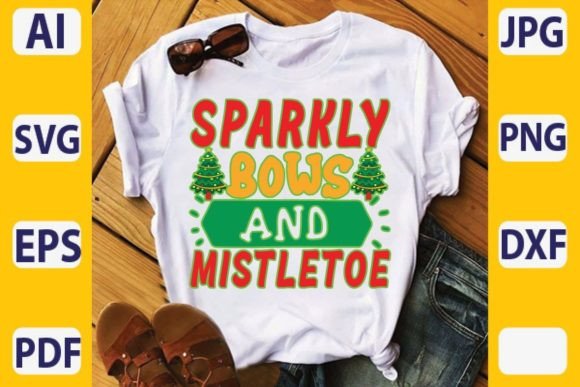
When a new embroidery design lands on my desk, the first question I ask myself is simple: Will this actually work? Not just in the software, but on the fabric. Not just as a file, but as a finished, stitched product that a customer will love. That’s the lens through which I’m looking at Sprkly Bows and Mistletoe. From a designer’s perspective, this isn't about the download; it’s about envisioning the thread, the fabric, and the final project.
The Immediate Mood: Festive Charm with a Handmade Touch
The name itself tells you a lot. Sprkly suggests a sense of light and playfulness, while bows and mistletoe anchors it firmly in classic holiday imagery. When I visualize this as an embroidery design, I see a piece that leans into cheerful, celebratory charm rather than formal grandeur. It feels suited for personal gifts and boutique merchandise—items where the personality of the maker shines through. The layout, likely combining these festive elements, promises a balanced, thematic composition perfect for a single, impactful embroidery placement.
This isn’t a sprawling, complex scene. It’s probably a cohesive cluster of holiday symbols. That makes it incredibly versatile for a crafter’s real-world use. Imagine a custom sweatshirt for a friend, a holiday-themed tea towel for your kitchen, or a personalized tote bag for a craft market. Sprkly Bows and Mistletoe immediately conjures images of those projects. It has a visual personality that is friendly and inviting, which translates directly into customer appeal for handmade products.
Where This Design Finds Its Perfect Home
Let’s walk through a specific scenario. I’m preparing a batch of embroidered pillow covers for a small holiday shop pop-up. I want designs that are recognizably festive but not generic, and that stitch out cleanly on a textured home decor fabric. Sprkly Bows and Mistletoe comes to mind. The likely mix of decorative bows and organic mistletoe leaves offers a nice blend of geometric and natural shapes. This variety can create visual interest through different stitch types—satin stitches for the bows’ sleek ribbons, and fill or running stitches for the mistletoe’s foliage.
Its application spectrum is broad. For baby embroidery, a simplified version on a blanket corner could be wonderfully sweet. For custom apparel, like a holiday party sweatshirt, it would act as a central, cheerful motif. As an embroidered patch, it could be applied to caps or bags. For small shop products like aprons or kitchen towels, it adds that special holiday touch that buyers seek. In a digital product preview or printable mockup for your Etsy listing, this design conveys a clear, festive theme that helps customers visualize the finished product.
Practical Considerations for Stitching Success
The charm of the design must survive the translation to thread. Here’s where the practical judgment kicks in. The “Sprkly” element implies detail—perhaps small dots, stars, or textured areas. In embroidery, small, dense details require attention. On a curved surface like a cap, very fine details might lose clarity. On a stretchy fabric like a t-shirt, high stitch density in a small area could affect the fabric’s drape and durability.
I would instinctively avoid using this on very thin, gauzy fabrics without a robust stabilizer plan. Likewise, if the design has intricate corners within the bows or tiny berry clusters in the mistletoe, stitching on dark fabric will require careful thread color selection to maintain contrast and clarity. Always test on scrap fabric first, ideally the same material you plan to use for the final project. This reveals how the stitch density behaves and whether any small details need slight adjustment for your specific machine and hoop size.
Enhancing Value and Trust in Your Finished Product
Using a well-composed design like this does more than decorate an item. It elevates the perceived value. A clean, thematic embroidery design on a handmade product signals thoughtfulness and professionalism. For a customer, it turns a simple tote bag into a holiday gift, a basic sweatshirt into custom apparel. It builds customer trust because the final result looks intentional and skilled.
For your craft business, consistency matters. If Sprkly Bows and Mistletoe becomes part of your holiday line, its distinctive style can contribute to your brand consistency. Customers recognize your work. Furthermore, the design’s inherent giftability makes products featuring it easier to market. It speaks a universal holiday language that engages buyers quickly.
Notes for the Working Designer
Before committing this design to a client project or a batch of merchandise, my checklist is straightforward. Review it in black and white mockups to assess the form without color distraction. Compare how it looks envisioned on both light and dark fabric backgrounds—sometimes a design’s balance changes dramatically. Confirm the hoop size you’ll need; a design with spread-out elements might require a larger hoop than one with a tight cluster.
Most importantly, confirm the licensing before selling finished items. The product description mentions it’s an instant download file compatible with various machines, but the terms for commercial embroidery use may be separate. Never assume. Ensuring you have the right to sell the physical products you embroider is fundamental to professional operation.
Thread color choice is your artistic lever with a design like this. Traditional reds and greens will shout Christmas, but silver and white threads could shift it to a frosty, winter-themed elegance, expanding its product applicability. Always consider your fabric texture; a smooth cotton will show every detail, while a napped fleece might soften the “Sprkly” effect, which could be a desirable outcome.
A Design Ready for Holiday Magic
In essence, Sprkly Bows and Mistletoe presents itself as a holiday-ready embroidery file with strong practical potential. It seems built for projects where festive cheer is the goal. Its success on the actual fabric—whether for personalized gifts or small shop product—will hinge on the thoughtful application of basic embroidery principles: right stabilizer, appropriate fabric, tested thread colors, and confirmed licensing.
From my point of view as someone who turns digital files into physical products daily, this design isn’t just a graphic; it’s a prompt for creation. It asks you to imagine it stitched on that apron, that baby blanket, that holiday cap. It feels less like a print template and more like a starting point for a handmade story. Your skill with the machine and your choice of materials will write the rest. That’s the mark of a useful design asset: it supports your work and inspires the final, tangible result that someone will cherish or purchase. That’s the real project use we’re all aiming for.